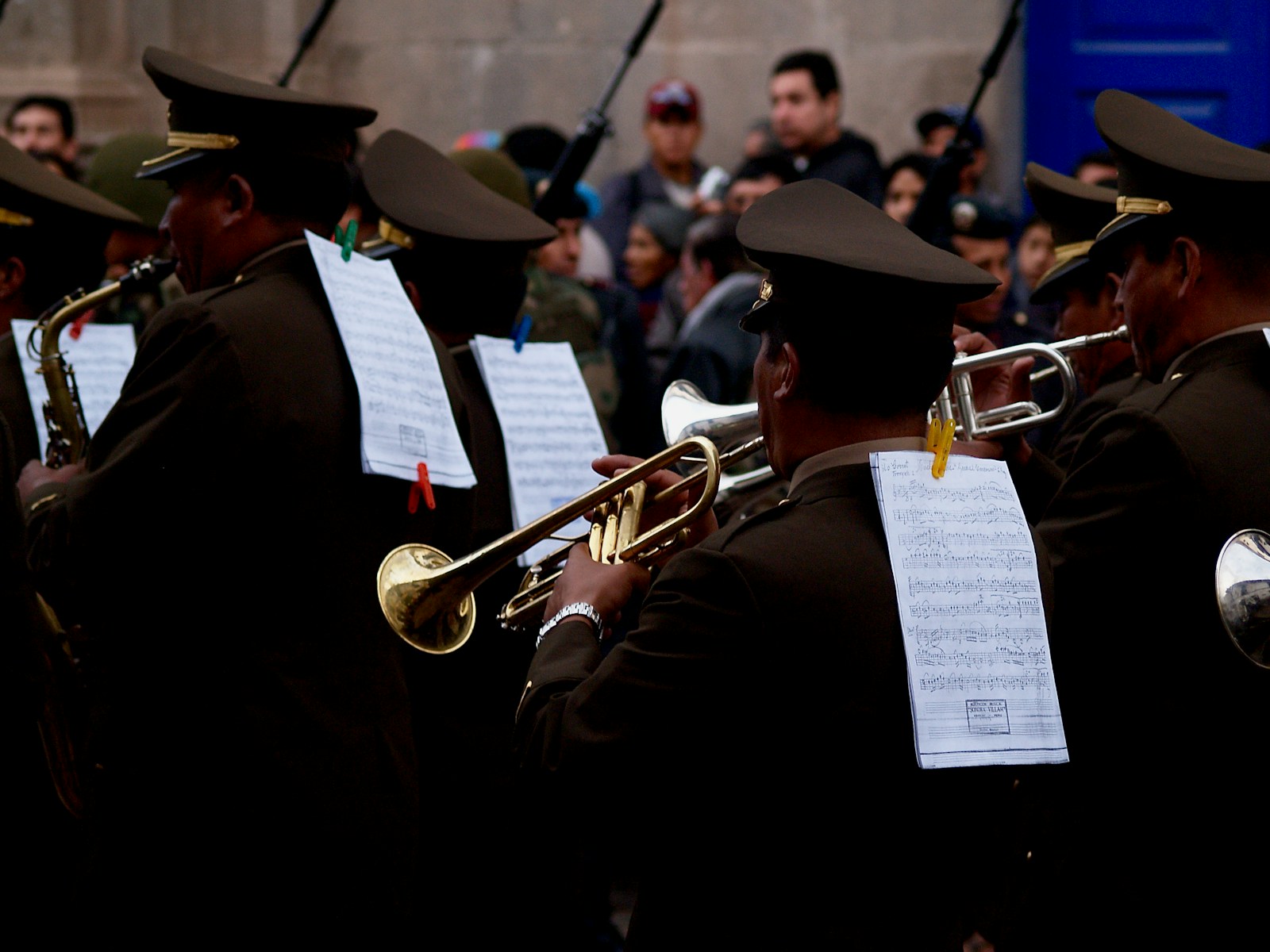
If high school marching band lit the fuse for you, Drum Corps International (DCI) is where that spark becomes a bonfire. Think of DCI as the “major leagues” of marching music, elite, touring ensembles that perform at the highest level of precision and artistry all summer long. You’ll trade Friday night lights for national stages, rigorous training, and the thrill of competing at the DCI World Championships. Here’s what DCI is, how it differs from band, and how you can make the jump from your school’s field to the big show.
What Drum Corps International Is
Origins And Mission
Drum Corps International formed in 1972 when a group of competitive drum and bugle corps unified around standardized rules, scheduling, and judging. The goal was simple and ambitious: elevate the activity, protect participant experience, and showcase world-class live performance. Today, DCI governs the summer tour, sets judging systems, and stages the DCI World Championships, while corps handle their own design, staffing, and member education.
At its core, DCI’s mission is educational. You’re not just performing, you’re training in music, movement, teamwork, and resilience. The structure looks like a sports season, but the values lean heavily toward arts education and personal growth.
Classes, Age Limits, And Eligibility
DCI currently recognizes multiple competitive classes. Most performers you hear about are in World Class (the largest budgets and longest tours) or Open Class (smaller, often regional tours with powerful educational focus). In recent seasons, you’ll also see all-age ensembles in DCI-sanctioned events, but the traditional junior corps model, what most audition for, remains age-restricted.
Eligibility for junior corps hinges on your age on June 1 of the competitive year. If you’re 21 or younger on that date, you’re generally eligible to march that season. You audition for a specific section, brass, battery percussion, front ensemble, or color guard, and earn a contract once staff believes you meet the standard for that corps and role.
How DCI Differs From High School Marching Band
Instrumentation And Design
DCI is brass and percussion only plus color guard. No woodwinds on the field, which changes sound, scoring balance, and visual staging. Brass instruments are modern Bb/F horns: the battery runs snares, tenors, basses, and cymbals: front ensembles mix mallet keyboards, accessory percussion, and electronics: guard handles dance, rifle, sabre, and flag work.
Design is tighter, faster, and more layered than most high school productions. You’ll navigate dense drill, continuous choreography, and an 11-ish minute production that rarely lets up. Sound design and amplification support staging, but the engine is still live acoustic performance at extreme tempos and volumes.
Rehearsal Culture And Touring
The DCI rhythm is closer to a professional tour than a school season. After winter camps, you report to spring training for weeks of full-day rehearsals, music blocks, visual blocks, ensemble, conditioning. During summer tour, you rehearse by day and perform by night, travel on charter buses, sleep at housing sites (usually schools or community centers), and reset at dawn to do it again. It’s immersive, demanding, and incredibly rewarding if you love the grind.
The Season And Competitive Structure
Audition Camps To Spring Training
Auditions typically start in late fall with interest meetings, video submissions, and weekend camps. You’ll learn a technique packet, play or move for staff, and get feedback or a callback plan. If you earn a spot, or a contract contingent on continued progress, you’ll prepare through winter before reporting to spring training in May or early June. That’s where the show is built and cleaned.
Summer Tour And Scoring
The tour kicks off in late June and crisscrosses the country into August. Shows range from local standstill events to major regionals featuring many World Class corps on the same night. Every performance is judged. While sheets evolve, captions broadly cover General Effect, Visual, and Music. You’re evaluated on proficiency, clarity, design achievement, and how powerfully the program communicates to the audience. Numbers matter, but so does momentum, improvements across the season can vault you up the standings.
World Championships Week
Championships week in Indiana is the climax. Prelims field a huge slate of corps: the top 25 advance to Semifinals, and the top 12 make Finals in Lucas Oil Stadium. Open Class holds its own championships earlier in the week, and some Open Class corps earn spots in World Championships Prelims. It’s the biggest stage of the year, electric crowds, high stakes, and the performances you’ll talk about for the rest of your life.
The Audition Journey: From High School To Contract
Choosing A Corps And Reading Call Sheets
Start by mapping your goals. Do you want a long tour and top-12 chase, a strong educational fit closer to home, or a corps known for your specific section? Explore rehearsal videos, staff bios, and member testimonials. Look at brass sound if you’re a trumpet or mellophone, battery writing if you’re a snare, choreography style if you’re in guard. Then study the audition call sheet, the corps’ published details about dates, materials, skill expectations, and what to bring. If you’re unsure, email the caption head or membership team. They want questions.
Building A Winning Audition Packet
Your packet is your first impression. For brass, record long tones, lip slurs, articulation patterns, a solo excerpt, and marching blocks that show sound quality while moving. For battery, include technique exercises, grids, accent/tap, rolls, and a show-style excerpt at performance tempo. Front ensemble should show two- and four-mallet control, reading, timing with a met, and musicality: color guard should submit dance phrasework, flag vocabulary, and a weapon routine that shows control and height.
Keep video lighting clean, audio unclipped, and your metronome audible when requested. Label files clearly and include a short performance resume. You’re telling staff, “I’m coachable, consistent, and prepared to learn your system.”
Camps, Callbacks, And Contracts
At camps, you’ll rotate through technique blocks, get placed on a part for reps, and receive adjustments constantly. Expect floor work for guard, battery standstills, brass visual reps, and ensemble reads. Callbacks can span multiple camps: don’t panic if you’re not contracted on day one. When you do receive a contract, read the financial and attendance commitments carefully. Signing is a promise, to the corps and to your section, that you’ll be there, physically and mentally, from spring training to the last note at Finals.
Skills, Fitness, And Mindset To Succeed
Brass, Battery, Front Ensemble, And Color Guard
Each caption demands elite fundamentals. For brass, tone and air are non-negotiable: build range and endurance so your sound stays centered at volume. Battery lives on timing and velocity, your hands need relaxed speed and your feet must stay silent. Front ensemble members are timekeepers and color artists: develop two- and four-mallet independence and confident electronics literacy. Guard is equal parts dancer and technician: commit to daily flexibility work, body lines, and consistent weapon technique.
Visual Fundamentals And Movement
DCI visual asks you to be an athlete who plays. You’ll master step size control, pass-throughs, direction changes, and jazz running. Body movement isn’t extra anymore, it’s baked into the show. Practice posture, core engagement, and breath timing while moving. Learn to read coordinate sheets and adapt quickly when drill is rewritten. The more you can keep musical quality intact while your heart rate spikes, the more valuable you become.
Conditioning, Recovery, And Injury Prevention
Treat your body like your instrument. Build cardio capacity with steady runs or intervals three to four times a week before spring training. Add compound strength moves, squats, lunges, presses, and mobility sessions for hips, calves, and shoulders. During tour, fuel with consistent protein and complex carbs, hydrate aggressively, and protect your skin and ears. Sleep whenever the schedule allows. If something hurts, speak up early. A day of smart recovery can save a season.
Time, Cost, And Practical Planning
Tuition, Travel, And Fundraising
Expect member tuition (your share of housing, food, transport, instruction, and production) to land in the low-to-mid thousands. Travel to auditions and spring training is on you, and tour departure/return logistics can add up. Start a budget now. Many corps offer payment plans, need-based aid, or work opportunities. Fundraising can be practical and dignified: clinic your local middle school, teach sectionals, line up sponsorships through your community, or run a recital night with ticket sales that go straight to your dues.
Balancing School, Work, And Family
The calendar is predictable: auditions in late fall and winter, spring training in late spring, tour from late June into August. If you’re in college, load heavier credits in fall, consider an online summer class only if it won’t conflict, and coordinate with professors early. If you work, talk to your manager months in advance. Family support matters, so loop them into your plan, costs, and why this means so much to you.
Gear, Paperwork, And Life On Tour
You’ll get a packing list, but the essentials rarely change: broken-in marching shoes, instrument-specific accessories, a sturdy water jug, sunscreen, athletic tape, a foam roller, spare sticks or mallets, black rehearsal clothes, and reliable ear protection. Bring a sleeping pad, pillow, and light blanket for gym floors, plus a small headlamp for post-show bus transfers.
Paperwork includes medical forms, insurance info, and emergency contacts. Keep digital copies on your phone. On tour, you’ll live by the day sheet, wake-up, blocks, meal times, load, show, travel. You’ll learn to shower fast at schools, do laundry every week or so, and label everything you own. It’s tight quarters, but the bus becomes your second home and your section your family.
Conclusion
If you’re chasing growth, community, and world-class performance, Drum Corps International is a remarkable path. It’s tougher than most people realize, physically, mentally, financially, but it repays you with skills and memories that last. Start small: pick a corps, study its packet, and put in focused reps every day. With a clear plan and stubborn consistency, you can move from high school marching band to the DCI field under stadium lights, and you’ll never hear a crowd the same way again.
No responses yet