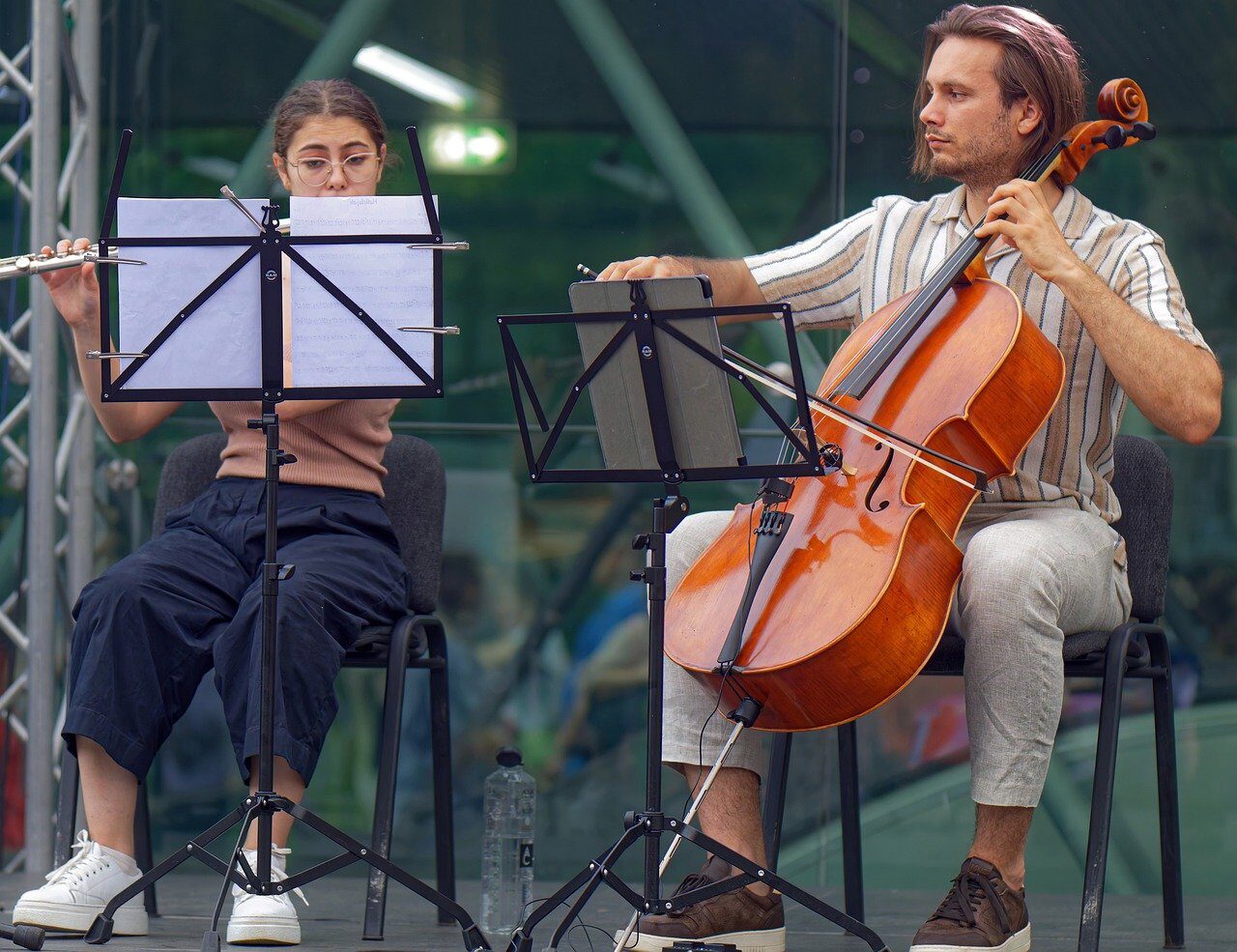
Your first year as a Music Ed major is exhilarating and a little relentless, in the best way. You’re learning to be both an artist and a future teacher, and that dual identity shapes everything you do. This Music Education Degree Guide: What To Expect In Your First Year As A Music Ed Major lays out the classes, skills, rhythms, and milestones you’ll encounter so you can step in confident, prepared, and ready to make music every single week.
Understanding The First-Year Curriculum
Core Musicianship: Theory, Aural Skills, And Piano Proficiency
You’ll jump into a two- or four-semester sequence of music theory and aural skills. Expect daily work in intervals, chords, progressions, figured bass, and part-writing, paired with sightsinging, solfege, rhythmic dictation, and melodic/harmonic dictation. The first semester often centers on diatonic harmony: by spring you’re touching secondary dominance, modulation, and form.
Most programs add a piano proficiency track because keyboard skills are practical tools for teaching. You’ll learn to play scales, harmonize melodies, read lead sheets, and accompany simple songs, exactly the stuff you’ll use in rehearsals and general music. Even if you’re a veteran pianist, expect a proficiency check later.
Performance Studies: Applied Lessons And Ensembles
Applied lessons are your weekly one-on-one with a studio professor. You’ll set goals (tone, technique, literature), log practice, and prep a jury at the end of term. Ensembles, choir, band, orchestra, jazz, combos, are not “extras”: they’re your leadership lab. You’ll absorb rehearsal flow, warm-ups, tuning strategies, and score study from the conductor’s podium side.
Plan on at least one major ensemble each term. Larger programs may also place you in secondary ensembles that broaden your experience (like a chamber group or musical theatre pit). This mix sharpens your musicianship and gives you repertoire knowledge that later feeds your programming and pedagogy.
Foundations Of Music Education And Early Fieldwork
A first-year foundations course introduces the why of music education, history, philosophy, national/state standards, and culturally responsive teaching. You’ll connect learning theories to real classrooms and try micro-teaching activities with peers. Many schools place you in observation hours at local K–12s right away. It’s eye-opening: you’ll see classroom management in action, take notes on pacing, and begin translating your musician brain into a teacher’s toolkit.
Skills You’ll Start Building Right Away
Conducting And Rehearsal Basics
Even if formal conducting comes second year, you’ll start the habits now. Learn baton or hand patterns (2, 3, 4), cues, cutoffs, and left-hand independence. Watch your conductors closely: what do they do in the first five minutes? How do they fix rhythm vs. tone vs. balance? Start marking scores, form, breath plans, entrances, so you’re thinking like a teacher, not just a performer.
Instrumental And Vocal Techniques Across Families
Music Ed majors almost always rotate through “tech” classes: brass, woodwinds, strings, percussion, and voice. In year one, you might cover one or two families. You’ll assemble instruments, set embouchures, bow open strings, and learn basic sticking. Voice tech covers phonation, diction, and healthy warm-ups. This is not about becoming a virtuoso on each instrument: it’s about safe, functional starts so you can teach beginners with credibility.
Classroom Management And Lesson Planning
Your foundations or intro methods course will walk you through procedures, routines, and expectations that make rehearsal time efficient and calm. You’ll write short lesson plans with clear objectives, check for understanding, and build transitions. The big takeaway: plan your sound before you hear it. That mindset keeps rehearsals proactive instead of reactive.
Weekly Rhythm And Time Management
Balancing Credits, Practice, And Ensemble Rehearsals
Music Ed credit loads tend to be dense: 15–18 credits can feel like 25 once you count practice, rehearsals, and concerts. Anchor your week with fixed commitments first, ensemble blocks, studio class, applied lesson, theory/aural skills, then schedule daily practice like an academic class. Block two shorter practice sessions instead of one marathon: you’ll retain more and protect your body.
A simple rhythm that works for many first-years: morning technique (scales, tone, etudes), afternoon rep work, and a 10-minute evening maintenance session. When performances ramp up, shorten sessions but keep frequency. Consistency beats intensity.
Making The Most Of Practice Rooms And Studio Class
Practice rooms are prime real estate. Reserve when possible, and keep a small travel kit: pencil, highlighters, metronome, tuner, spare reeds/valve oil/strings. Record short clips to check time feel and intonation, your phone mic is enough for honest feedback.
Studio class is your low-stakes performance lab. Play, sing, and observe how peers deal with nerves, memory slips, and feedback. Keep a running list of tips that actually changed your playing: you’ll use them later when you’re the one giving feedback to students.
Study Strategies For Theory And Aural Skills
Treat theory and aural as applied courses, not just written ones. Sing what you write. Clap what you analyze. Build a solfege habit, five minutes a day prevents cramming. For dictation, practice error-tolerant listening: outline the meter and tonic first, then contour, then details. And yes, use the keyboard to check part-writing quickly: it saves hours.
Assessments, Milestones, And Advising
Placement Exams, Juries, And Piano Proficiency Checks
Most schools start with placement exams in theory and aural skills to land you in the right section. End-of-term juries assess applied progress: you’ll perform set repertoire, scales, and sometimes sight-reading for a faculty panel. Keep your jury sheets, they’re your growth map. Piano proficiency typically has staged benchmarks (scales, harmonization, transposition, score reading). Ask for the rubric early and chip away weekly.
Recital Attendance And Concert Reports
You’ll likely have a recital attendance requirement. Don’t treat it like a checkbox. Track conductors’ rehearsal prep, observe microphone setups, listen for balance issues, and note how performers reset after a mistake. Concert reports become stronger when you write about teachable moments, not just adjectives.
Working With Advisors And Mapping Your Licensure Path
Meet your advisor early to map coursework against licensure requirements in your state. You’ll want a clear line of sight on general education credits, education courses, special education/ELL requirements, junior-year methods, student teaching, and state tests (often PRAXIS or equivalents). If you’re eyeing K–12 certification, confirm both choral and instrumental tracks fit your timeline. Planning now prevents a surprise ninth semester later.
Technology, Materials, And Budgeting
Notation Software, DAWs, And Classroom Tech
By the end of first year, you should be fluent in at least one notation program (Finale, Sibelius, Dorico) and comfortable in a beginner-friendly DAW (GarageBand, Logic, or Ableton Intro). Learn to make clean parts, transpose quickly, and export PDFs and audio mockups. Classroom tech matters too: projector workflows, simple recording setups, click tracks, and backing tracks. Your future self will thank you when you need a last-minute warm-up sheet or a rehearsal track for altos.
Instruments, Mouthpieces, Sticks, And Required Texts
Budget for reeds, valve oil, cork grease, strings, sticks/mallets, a pencil case that never leaves your bag, and a durable music folder. Voice majors: a reliable water bottle, straw for SOVT exercises, and a portable keyboard can be game-changing. You’ll also pick up method books for tech classes and a foundations text. If your program loans secondary instruments, schedule checkouts early and learn the care-and-feeding basics right away.
Managing Costs: Rentals, Repairs, And Used Gear
Be strategic with money. Rent or borrow secondary instruments until you know what you need. Shop the used market for mouthpieces, mutes, and stands. Join program buy/sell groups: seniors often pass along gear at friendly prices. Treat maintenance like insurance, small, regular care beats big repair bills. And factor printing costs into your budget unless your school provides free quotas.
Health, Wellness, And Professional Habits
Hearing, Vocal Care, And Injury Prevention
Protect your instrument, whether that’s your hands, embouchure, or voice. Use high-fidelity earplugs in amplified or percussion-heavy spaces. Warm up before you play: cool down after. Singers, hydrate, use straws and lip trills, and respect your speaking voice on long days. If something hurts, stop and reset technique. Campus clinics and Alexander Technique/body mapping sessions can save a semester.
Building A Strong Practice Routine Without Burnout
Your energy is a finite resource. Rotate focus areas, set micro-goals, and track wins. Close the loop on feedback: after lessons, rewrite notes into a concrete weekly plan. When stress spikes, shorten the session but keep the habit. Sleep is non-negotiable for memory consolidation, pulling all-nighters is false economy.
Networking, Mentorship, And Professional Associations
Start your professional circle now. Introduce yourself to cooperating teachers during observations. Ask your conductor one thoughtful question a week. Join NAfME or your state MEA: attend at least one clinic or conference session this year. Mentors shorten your learning curve and often open doors to camps, sectionals coaching, or paid gigs.
Conclusion
Your first year sets the tone for your degree and your future classroom. You’ll juggle theory, aural skills, piano proficiency, applied lessons, ensembles, and foundations courses while building real teaching chops, conducting patterns, instrument starts, lesson planning, and classroom management. The weekly rhythm is busy but manageable with deliberate practice and honest scheduling. Use this Music Education Degree Guide: What To Expect In Your First Year As A Music Ed Major as a roadmap, lean on advisors and mentors, protect your health, and keep your ears open. You’re not just learning about music, you’re learning to lead it.
No responses yet